
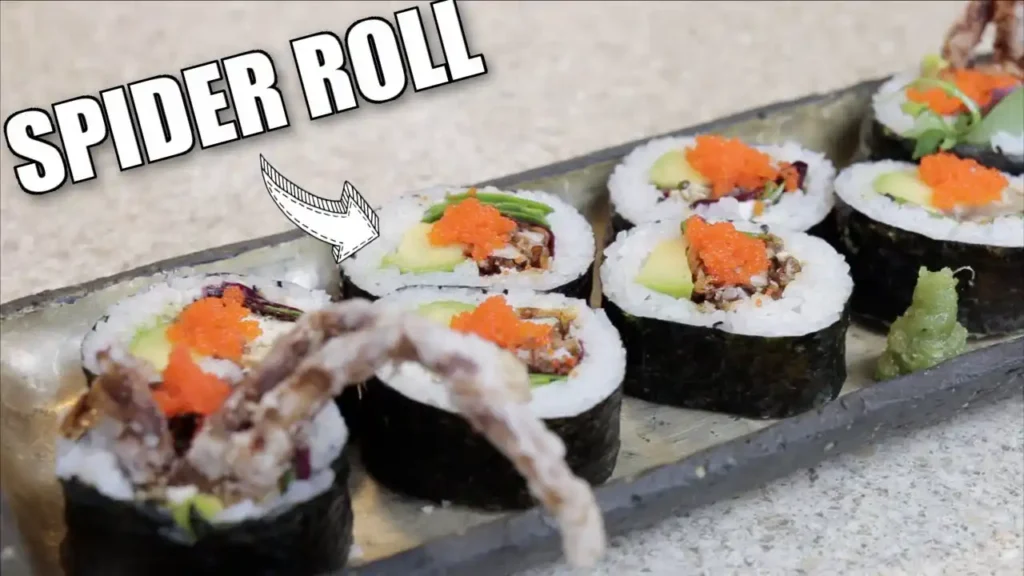
Introduction to the Spider Roll
The spider roll is a beloved sushi creation that has earned a permanent spot on menus worldwide. Known for its crispy texture, savory flavor, and dramatic presentation, this uramaki (inside-out roll) features soft-shell crab as its star ingredient. Whether you’re a sushi novice or a seasoned enthusiast, understanding what makes a spider roll special can enhance your dining experience.
What Is a Spider Roll?
A spider roll is a type of maki sushi that typically consists of tempura-fried soft-shell crab, cucumber, avocado, and spicy mayonnaise, all wrapped in nori (seaweed) and seasoned sushi rice. The roll is often topped with sesame seeds or tobiko (flying fish roe) and served with soy sauce, pickled ginger, and wasabi. Its name comes from the legs of the soft-shell crab protruding from the roll, resembling a spider’s legs.
Key Ingredients
- Soft-shell crab: The defining ingredient. Soft-shell crabs are blue crabs that have molted their hard outer shell, making them edible whole. They are typically dredged in flour or panko and deep-fried until golden.
- Sushi rice: Short-grain Japanese rice seasoned with rice vinegar, sugar, and salt.
- Nori: Dried seaweed sheets used to wrap the roll.
- Cucumber: Adds freshness and crunch.
- Avocado: Provides creamy richness.
- Spicy mayonnaise: A blend of mayonnaise and sriracha or chili sauce, adding heat and creaminess.
- Optional toppings: Sesame seeds, tobiko, scallions, or eel sauce.
How Is a Spider Roll Made?
Creating a spider roll requires skill and precision. Here’s a step-by-step breakdown:
- Prepare the soft-shell crab: Clean the crab, remove the gills and apron, then dredge in seasoned flour or panko. Deep-fry at 350°F (175°C) until crispy and golden brown. Let it drain on paper towels.
- Prepare the sushi rice: Cook short-grain rice, then season with a mixture of rice vinegar, sugar, and salt. Fan the rice to cool it to room temperature.
- Assemble the roll: Place a sheet of nori on a bamboo rolling mat (shiny side down). Spread a thin layer of rice over the nori, leaving a 1-inch border at the top. Flip the nori so the rice side faces down on the mat.
- Add fillings: Lay strips of cucumber and avocado along the center of the nori. Place the fried soft-shell crab on top, legs pointing outward.
- Roll tightly: Using the mat, roll the nori over the fillings, applying gentle pressure to form a compact cylinder. Moisten the exposed nori edge to seal.
- Slice and garnish: Cut the roll into 6-8 pieces using a sharp, wet knife. Arrange on a plate, drizzle with spicy mayo, and sprinkle with sesame seeds or tobiko.
History and Popularity
The spider roll is a modern American invention, likely created in the 1980s as part of the fusion sushi movement. It gained popularity in California and New York before spreading globally. Its combination of crunchy tempura and fresh ingredients appeals to both traditionalists and those new to sushi. As of 2026, the spider roll remains a staple on sushi bar menus, often featured in lunch specials and omakase selections.
Variations of the Spider Roll
While the classic version is beloved, many chefs put their own spin on it:
- Spicy spider roll: Adds extra sriracha or chili oil to the mayonnaise or incorporates jalapeño slices.
- Dragon spider roll: Topped with thinly sliced avocado arranged like dragon scales, often with eel sauce.
- Tempura spider roll: The entire roll is lightly battered and deep-fried after assembly (less common).
- Vegetarian spider roll: Uses tempura-fried sweet potato or eggplant instead of crab.
- Gluten-free spider roll: Uses gluten-free flour or rice flour for the tempura batter and tamari instead of soy sauce.
Nutritional Information
A typical spider roll (6-8 pieces) contains approximately 350-450 calories, depending on ingredients and portion size. It provides protein from the crab, healthy fats from avocado, and carbohydrates from rice. The tempura frying adds oil, so it’s higher in fat than some other sushi rolls. For a lighter option, request less spicy mayo or ask for the crab to be grilled instead of fried.
Where to Find the Best Spider Rolls
As of 2026, top sushi restaurants in major cities like Tokyo, New York, Los Angeles, and London offer spider rolls. Many Japanese-American fusion spots specialize in them. For home cooks, high-quality soft-shell crab can be found frozen at Asian grocery stores or online seafood markets. Popular sushi chains like Nobu, Sushi Samba, and local omakase bars often have their own signature versions.
Frequently Asked Questions
Is a spider roll raw?
No. The soft-shell crab is deep-fried, and all other ingredients are cooked or fresh. This makes the spider roll a great option for those who prefer cooked sushi.
Can I make a spider roll at home?
Yes, with practice. The main challenge is preparing the soft-shell crab correctly. Frozen soft-shell crab is widely available and works well. A bamboo rolling mat and sharp knife are essential tools.
What does a spider roll taste like?
It offers a contrast of textures: crispy, crunchy crab exterior, creamy avocado, and cool cucumber. The spicy mayo adds a mild kick, while the rice provides a subtle sweetness.
Is the spider roll healthy?
Moderately so. It contains protein, fiber, and healthy fats, but the tempura frying increases calorie and fat content. Enjoy it as part of a balanced meal.
Conclusion
The spider roll is a delightful sushi innovation that showcases the versatility of soft-shell crab. Its unique combination of flavors and textures has made it a favorite among sushi lovers for decades. Whether you order it at a restaurant or try making it at home, this roll is sure to impress. As sushi culture continues to evolve, the spider roll remains a timeless classic.